
Why the catchlight in the eyes matters on camera
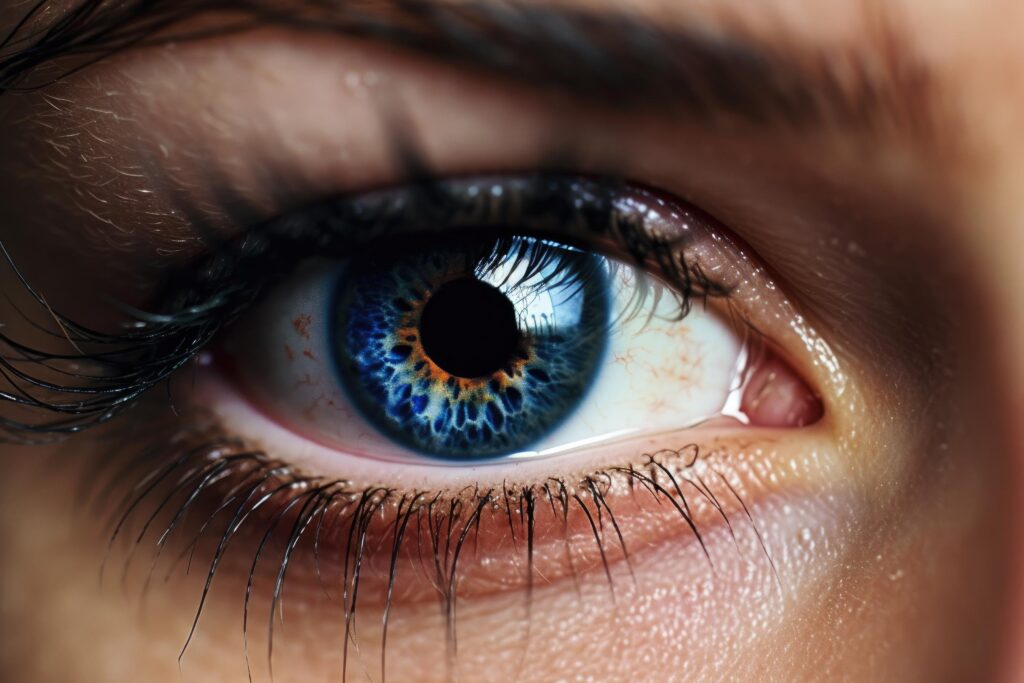
There is a detail in professional video that almost nobody notices consciously and everybody reacts to: a small reflection of light in the eyes. With it, a person on camera looks alive and present. Without it, the same person looks tired, closed, sometimes evasive.

Why the catchlight matters
Eyes are the first thing a viewer finds in a frame. If there is no light in them, the face reads as flat and the viewer transfers that impression onto what the person is saying. In an interview with a company director or a specialist, the catchlight therefore affects trust in the message, not just the look of the image.

How to create it properly
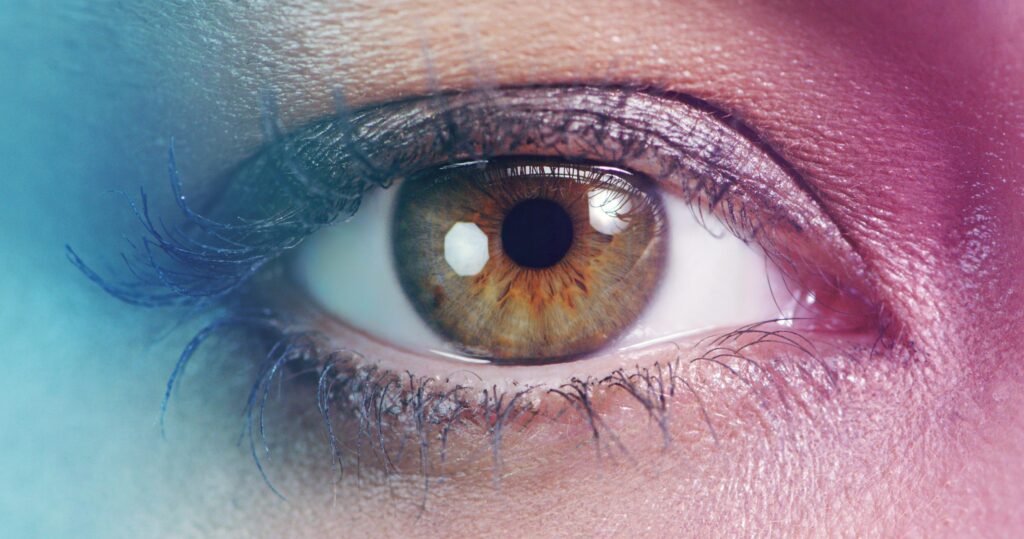
- Use round or square sources. They leave a natural reflection rather than a shape the eye reads as artificial.
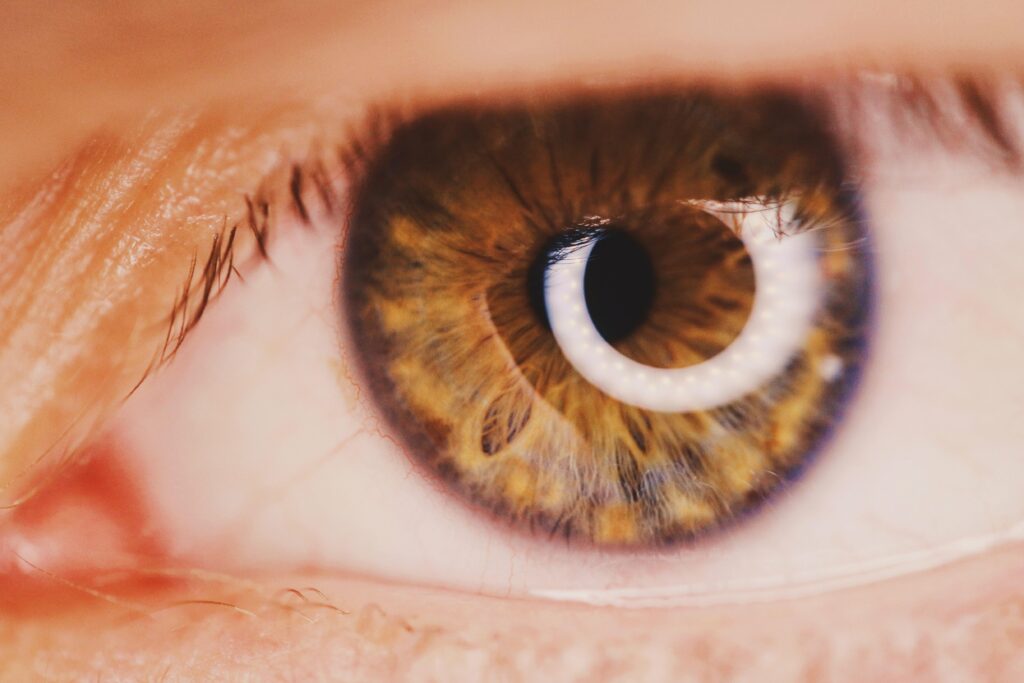
- Avoid ring lights. They leave a visible ring in the eye that instantly reads as phone-made content.
- Be careful with long strip sources. They produce a bar across the eye that can look strange on close-ups.
- Keep a smaller source near the camera. The closer to the lens axis, the more reliably the reflection sits in the upper part of the eye.
How to check it during filming
No special equipment is needed. Zoom the camera image into the eye and look for the highlight in the upper part. If it is not there, the light is too high or too far to the side — lowering it to eye level and moving it closer to the camera is usually enough.
A second check: ask the person to turn their head to each side. If the reflection disappears as soon as they move, the source is too small. A larger instrument keeps the catchlight alive through movement, which is why studios use big diffused sources.
What cinema does with this
In film production the catchlight is a deliberate tool. It is strengthened for a character who should feel open and removed for one who should feel cold or threatening. The same logic applies in corporate work, only in one direction: you almost always want the person to look open.


Mistakes worth avoiding
- No light at all in the eyes — the most common and most damaging.
- Two competing reflections from different lamps, which makes the gaze look unfocused.
- A ring visible in the pupil — cheap-looking even when everything else is right.
- Overdoing it in product work — there the attention belongs on the object, not the eye.


Frequently asked questions
Is a ring light suitable for video?
It lights a face clearly but leaves a ring in the eyes that immediately reads as content made on a phone. For interviews, one large round or square source from the side is better.
How do we fix a frame with no light in the eyes?
Lower the key light to eye level and move it closer to the camera. With no lighting kit at all, a white reflector or a bright wall in front of the person will do.
Is a catchlight needed in every film?
No. It matters when a person speaks to camera. In product, production or location shots it is unnecessary — there the viewer’s attention should not be in the eyes.