Nine things about your body a cheap videographer will not tell you
Most of what decides how you look on camera happens before anyone switches a camera on. None of it is vanity — it is preparation, the same as checking a projector before a presentation.

1. Sleep — seriously
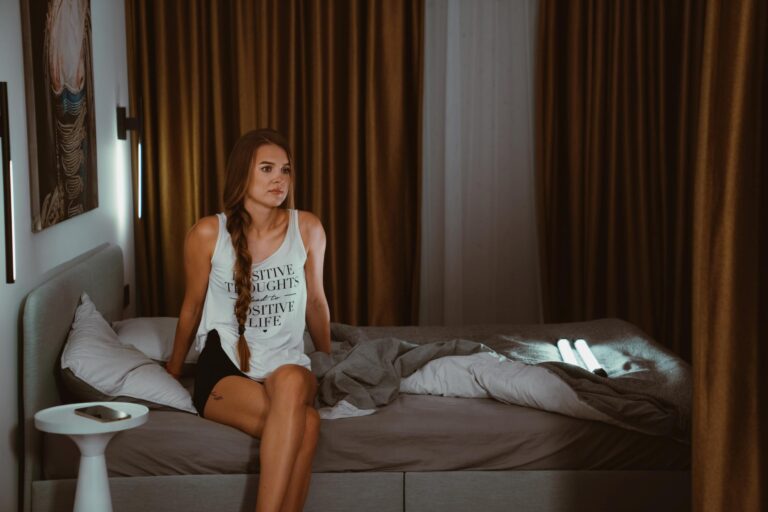
A tired body is visible in the eyes and in posture, and no lighting corrects it. One good night before a shoot does more than any make-up.
2. Deal with hair a few days in advance
A fresh haircut on the morning of a shoot looks like a fresh haircut. Two or three days earlier is the sweet spot.
3. Hands — a small thing that gives away confidence
If you do not know what to do with them, hold them loosely at waist level rather than folded across your chest. Crossed arms read as defensive on camera even when you feel fine.

4. Clothing — ask the producer first
What works depends on the background and the light, which only the producer knows in advance. Two or three options on a hanger solves it on location.
5. Breakfast — light and neutral
Heavy food before filming shows in energy and in the face. Plenty of water, coffee in moderation.
6. Facial skin — nothing new on the day
No new masks, scrubs or treatments on the shooting day. Skin reacts unpredictably, and there is no time to wait it out.
7. Lips and hands — small but visible details
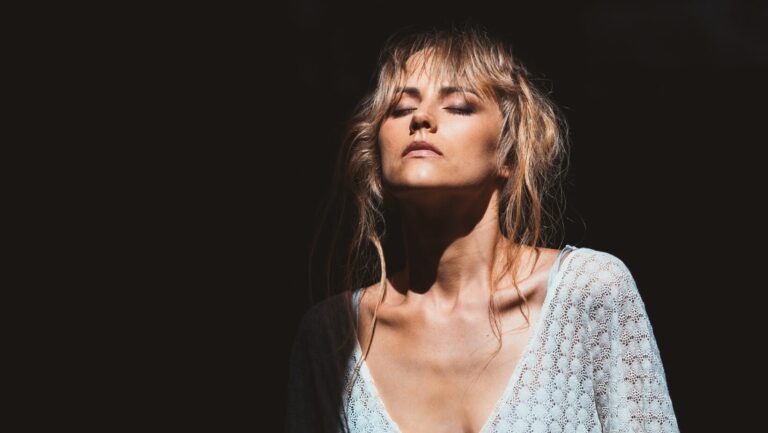
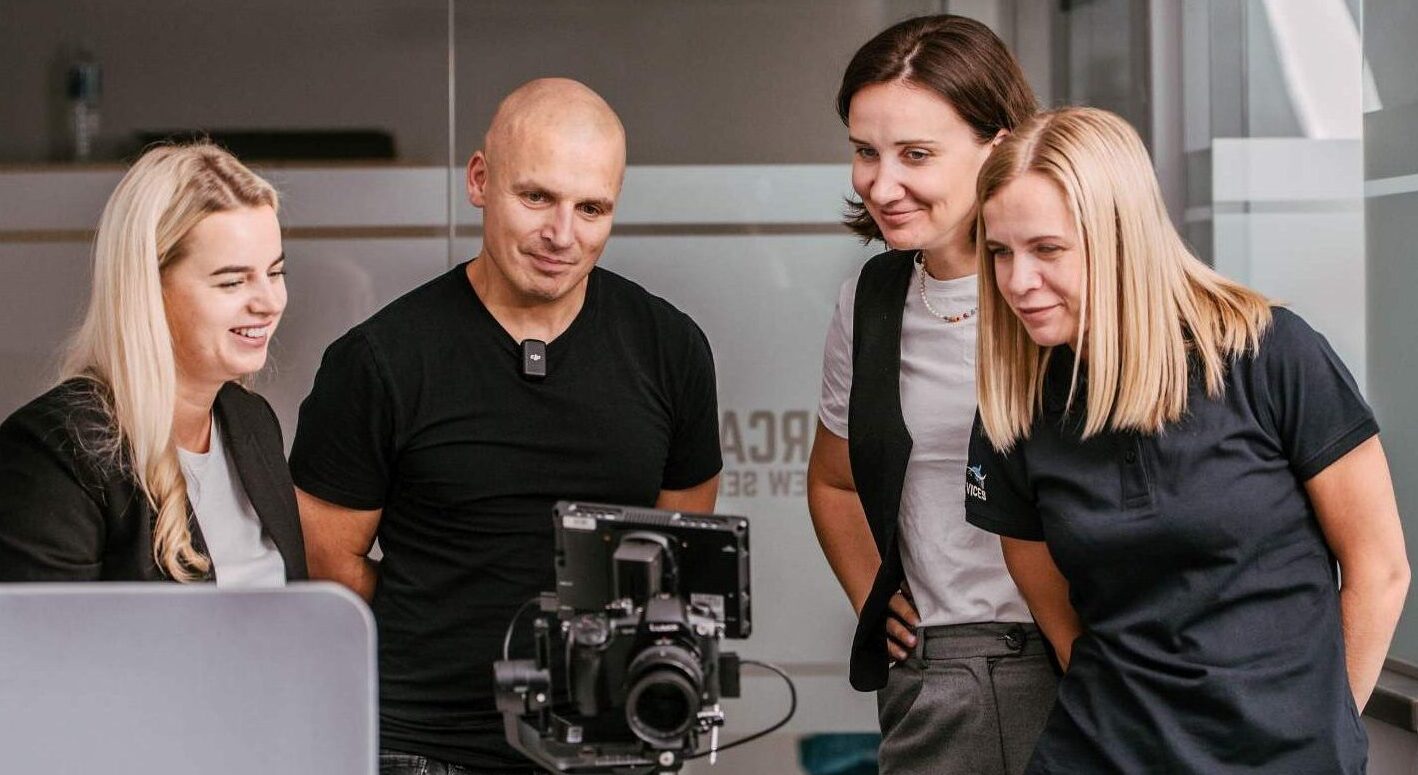
Dry lips and cracked skin are visible in close-ups. A lip balm the night before and hand cream in the morning is the whole intervention.
8. Movement — some, but not too much
A short walk before filming helps; an intense training session the day before does not. The camera notices a tired body.
9. Cold sores — common, and never mentioned
They happen, often from stress before filming. If one appears, tell the crew: the shot can be angled, make-up can help, and in the worst case the schedule can move. Saying nothing is the only bad option.
Filming is a shared process
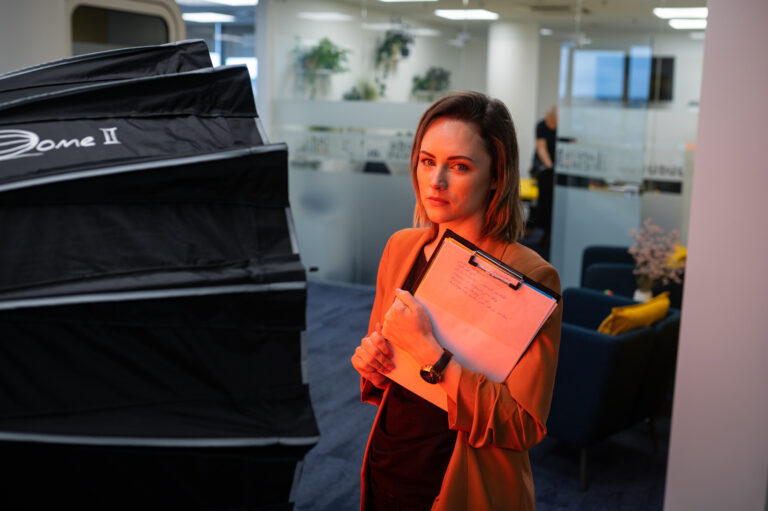
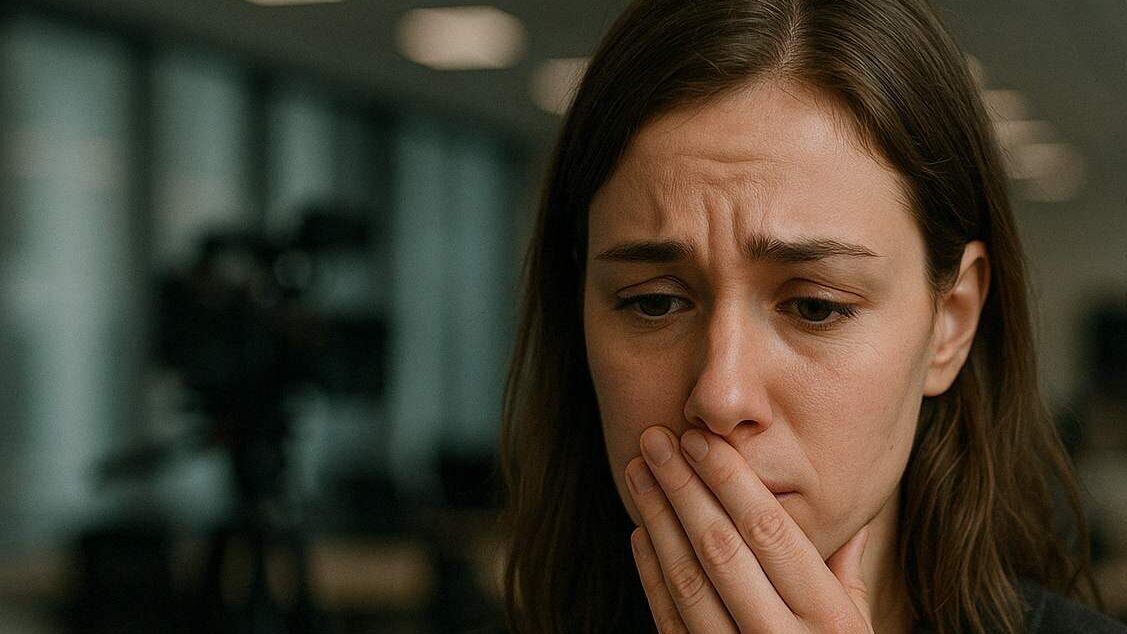
Everything above belongs to you. The rest belongs to the producer: angle, lens and lighting height decide whether a person looks natural. If the operator is shooting from below with a wide lens, no amount of preparation will save it — so ask for a test shot and look at the monitor before filming begins. A good operator offers that without being asked.
Four things easy to control yourself
- Posture — shoulders back, weight on both feet.
- Hands — at waist level, not crossed.
- Gaze — at the person asking, not at the lens, unless you are addressing the viewer.
- Breathing — breathe in before a sentence. It defeats rushed, anxious delivery better than any edit.
Frequently asked questions
How do I stop feeling awkward in front of a camera?
Three things help: knowing your first sentence, looking at the person rather than the lens, and allowing several takes. The first take is almost never the one used.
Why do I look different on camera than in the mirror?
The lens and the lighting change proportions, and in a mirror you see a reversed image you are used to. It is not a problem with your appearance.
What should I ask the producer so that I look better?
For a test shot before filming, the camera at eye level, and direction during the shoot. Those are three things a professional does without being asked.