Three cinema techniques that work in business video
Film crews use a handful of techniques that cost nothing and change everything. None of them requires an expensive camera, and all three work in an ordinary office.

Technique 1: film from the shadow side of the face
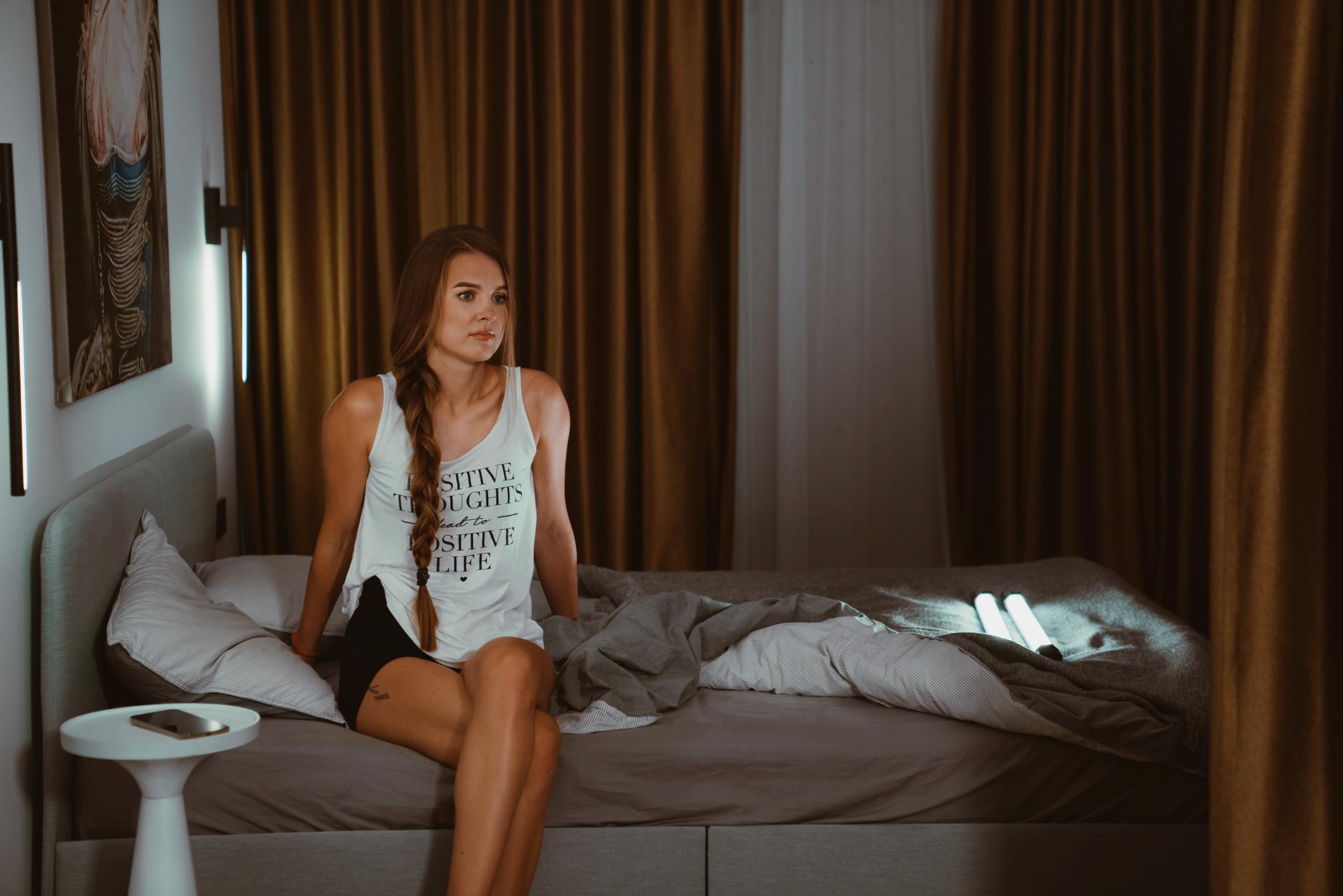
Place the key light so that it falls across the face and film from the darker side. The result is a face with shape and depth instead of a flat, evenly lit surface. This is the cheapest way to make an interview look deliberate.
How it works
Shadows tell the eye about volume. When light comes from one side, the nose, cheekbones and jaw gain definition. Light everything evenly and the face loses all of it — which is exactly why office ceiling lighting looks so poor on camera.
Where it fits
Interviews, corporate films, expert pieces — anywhere a person is talking and should feel substantial.
When to avoid it
In product work, or where the client wants an open, friendly, consumer-brand feel. There, softer and flatter light is the right choice.
Technique 2: two cameras
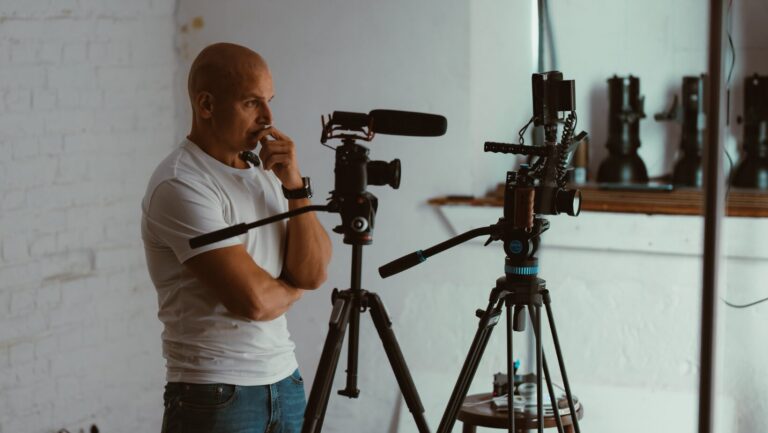
A second camera is not about coverage, it is about editing freedom. Two angles mean unnecessary words and long pauses can be cut out invisibly, and the speaker no longer has to be perfect on the first attempt.
Why two cameras change the result
Most people need three or four attempts to phrase a thought well. With one camera, every cut is visible as a jump. With two, the edit is seamless — so the final film sounds like someone who speaks clearly, which is what the brand wanted in the first place.
Technique 3: depth, not background
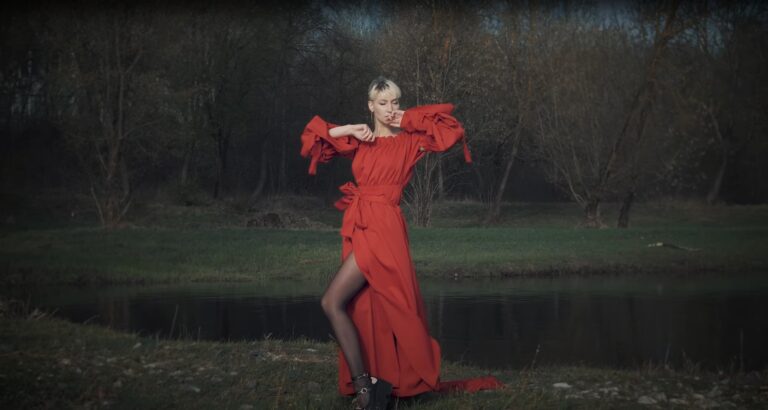
Film crews do not look for a pretty wall; they look for layers. Something in front of the subject, the subject, and something behind at a distance. That is what creates depth — and a background two metres away with a little space around it does more for the image than any decoration.
What these techniques will not fix
They will not save a film that has nothing to say. Light, cameras and depth decide how a message looks; they do not decide whether the message is worth watching. That is still the part that has to be solved before the camera comes out of the bag.
Frequently asked questions
Does the Hollywood effect require an expensive camera?
No. Lighting, frame rate and composition decide the look. The same camera in good light and in bad light produces two different films.
How many cameras does an interview need?
Two is the practical standard: it makes the edit invisible and keeps the viewer’s attention. One is enough only for very short pieces.
Why does our video look flat even in a nice office?
Usually because the light is even and the background is close behind the person. Move the subject away from the wall and light from one side.