
Why dental clinics should lead with empathy on camera
Dental clinics usually advertise equipment, technology and qualifications. Yet the reason a patient delays booking is almost never a lack of information — it is fear. Video is the one medium that can address fear before anyone picks up the phone, because the patient sees the person who will treat them.
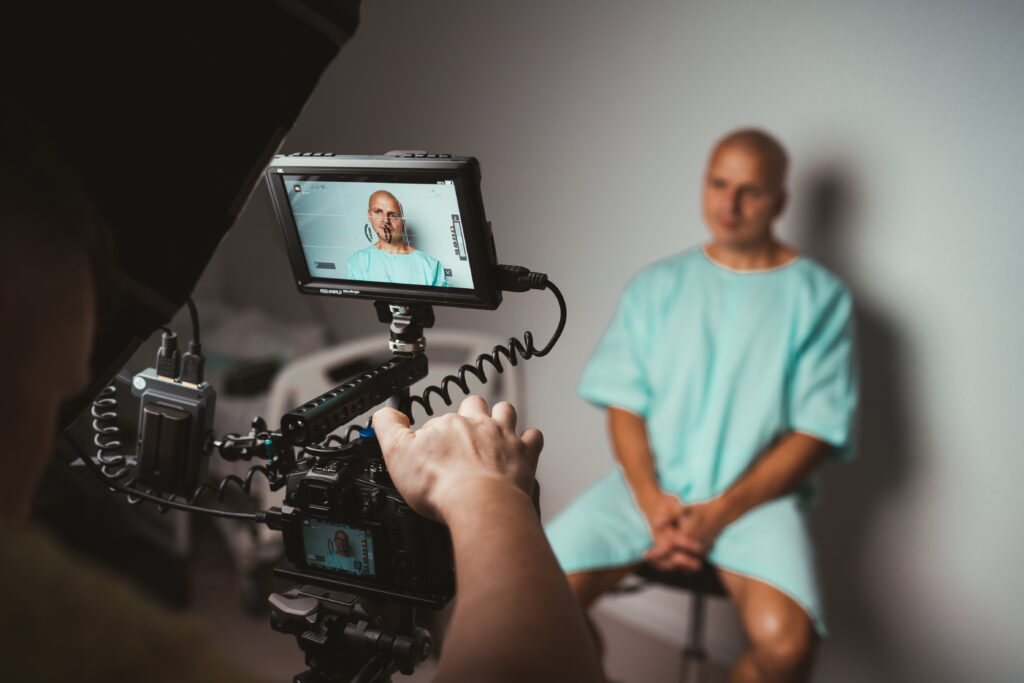
Why patients are afraid, and how video answers that
Fear of the dentist is rarely about pain alone. It is about loss of control: not knowing what will happen, how long it will take, what it will cost, or whether they will be judged for the state of their teeth. A film that calmly explains the sequence of a procedure removes most of that, and it does so before the appointment rather than in the chair.
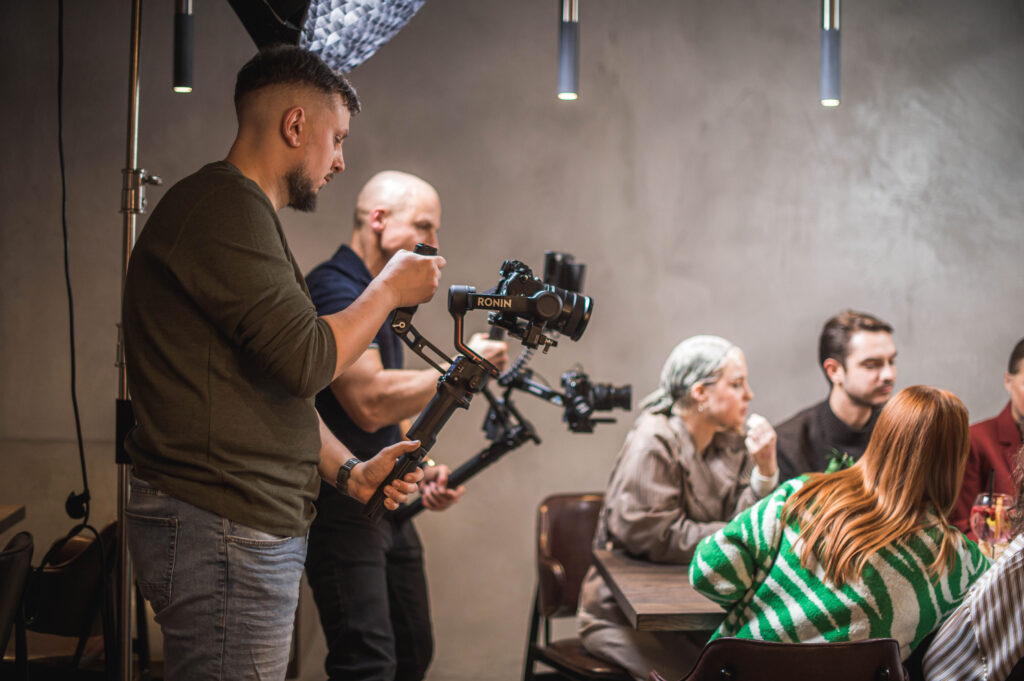
How to convey empathy on camera
- Show people, not only equipment. A microscope model means nothing to a patient; the face of the doctor does.
- Let the doctor speak in plain language. Clinical terms increase distance exactly when it needs to shrink.
- Explain the sequence. What happens first, what the patient will feel, how long it lasts.
- Show the surroundings. Reception, corridor, treatment room — a familiar space reduces tension on the first visit.
- Speak to the fear directly. Saying “many of our patients are afraid, and that is normal” does more than any promise of quality.
Four films every clinic needs
- A doctor introduction — one to one and a half minutes. The patient wants to see the person before they book.
- A procedure explainer — what will be done and whether it will hurt. This is the film people watch to the end.
- A clinic tour — reception, corridor, treatment room.
- A patient story — the strongest film, but only when the person speaks in their own words rather than reading a text.
What to avoid in dental video
Footage of surgery and blood works against the goal: it confirms the fear. So does video that is effectively an equipment catalogue. Medical advertising in Lithuania is also regulated, so films should not promise results or compare the clinic with others. Trust is built by tone and explanation, not by claims.
In practice all four films are shot in one day at the clinic and then used on the website, in the Google business profile and on social media.
Frequently asked questions
Is it uncomfortable for patients when a clinic is being filmed?
Filming does not take place during treatment or with patients, unless they agree and it is documented in writing. Most material is shot in an empty clinic or after hours.
What length suits a clinic website?
Up to ninety seconds for a doctor introduction and up to two minutes for a procedure explainer. Longer films are watched only by people who have already decided.
Can a patient testimonial be used in video?
Yes, if the person agrees and it is recorded in writing. Promises about results should be avoided — it is better when the patient talks about their experience and how they felt.