Social media video marketing: my 5-platform experiment
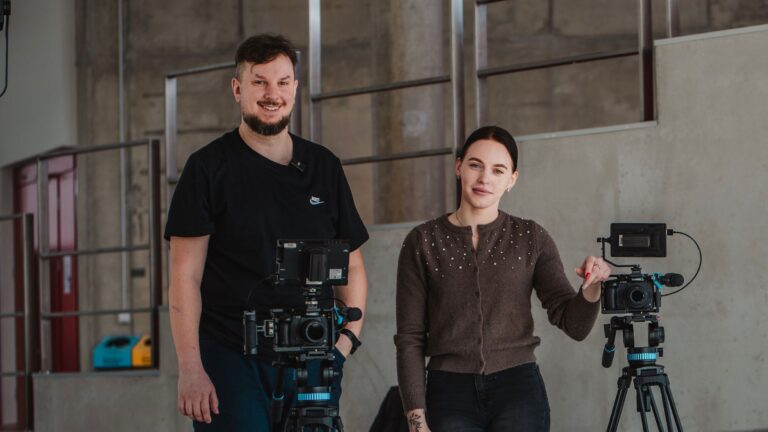
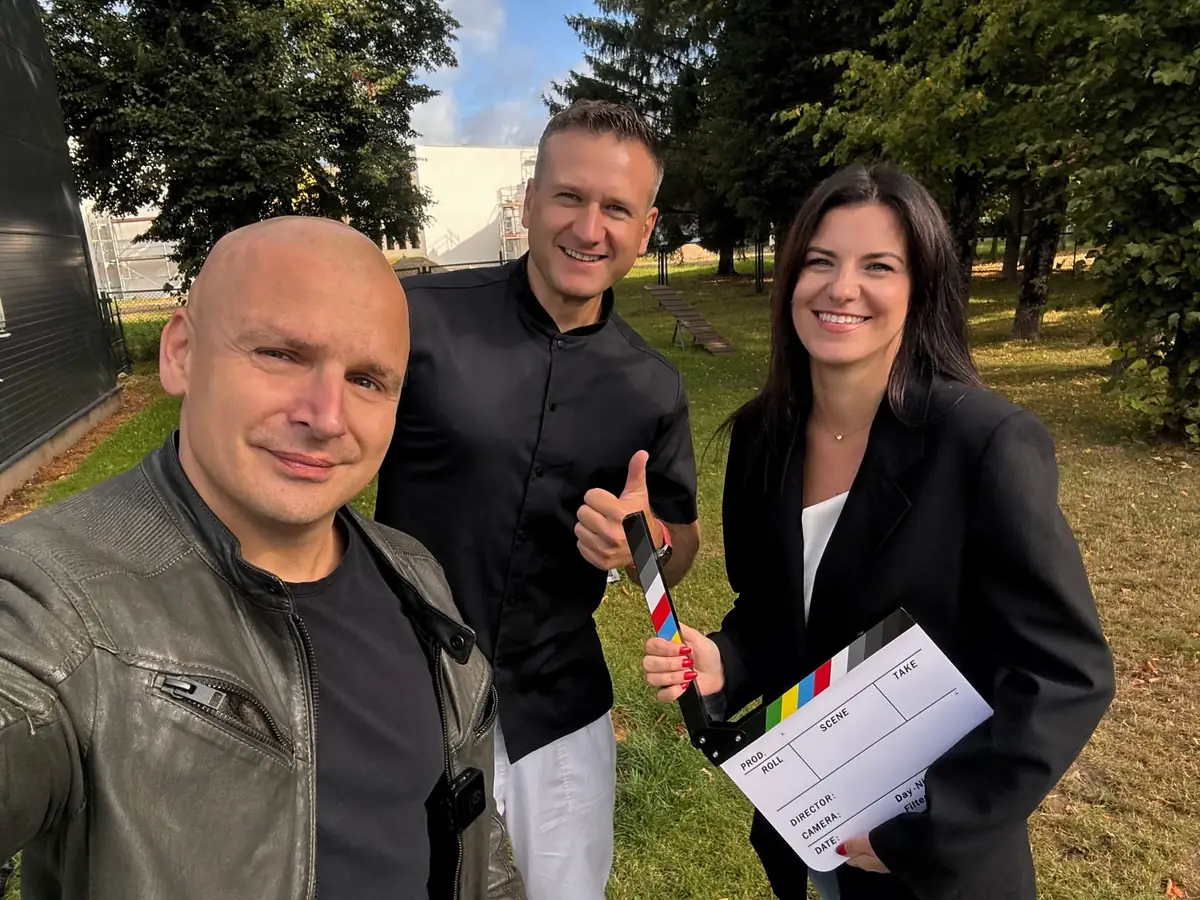
Together with Eglė Pilypaitė, I organise the business conference “Rytojaus standartas” (Tomorrow’s Standard). Before the event, we filmed conversations with the speakers: we wanted people to get to know them better. I was responsible for the video strategy, filming, editing and publishing. From every long conversation, I made short vertical videos.
I had no plans to post serious business videos on TikTok. Eglė suggested it, and I thought: I have nothing to lose if I upload the same videos there too.
This was not a scientific experiment planned in advance. I wanted to get the most out of the footage we had filmed. It became an experiment later, once we had filled the hall for our conference and I decided to compare the results of five platforms (Facebook, Instagram, TikTok, YouTube and LinkedIn).
One conversation – up to ten short videos
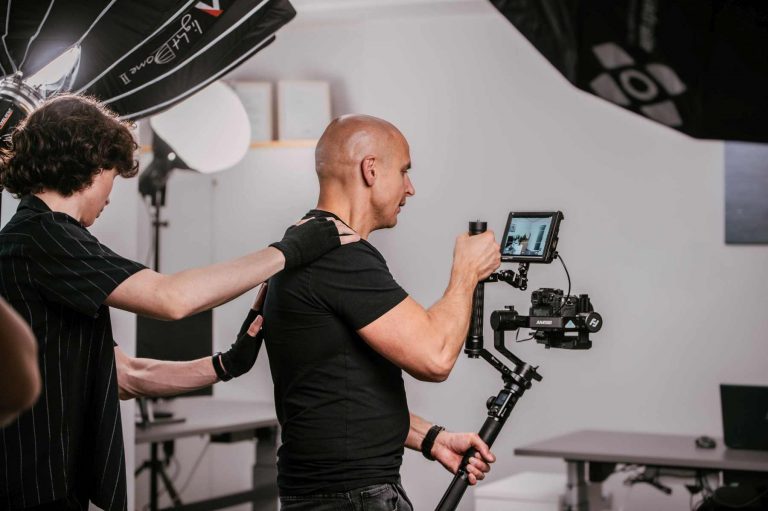
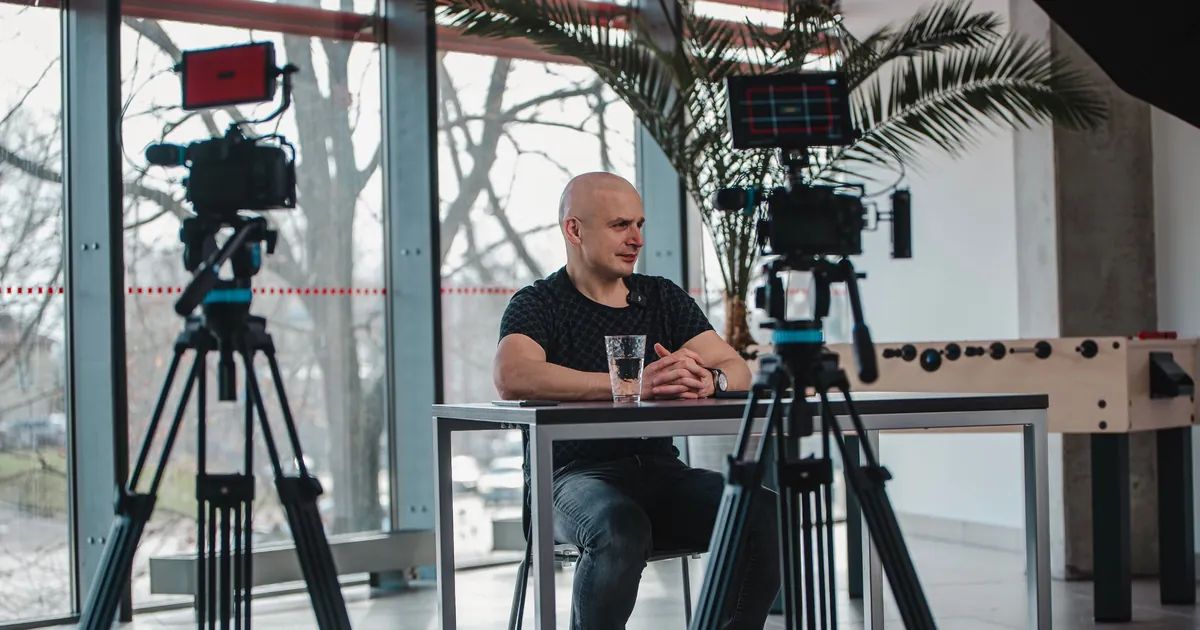
Let’s start from the beginning. We filmed long interviews for the “Rytojaus standartas” YouTube channel. Most of the time we went to the speakers. If a speaker came from another city or did not want to film in their own space, we recorded the conversation at my home. One interview lasted about 30 minutes. Still, travel, preparation, setting up the equipment, sound and light often took almost half a day.
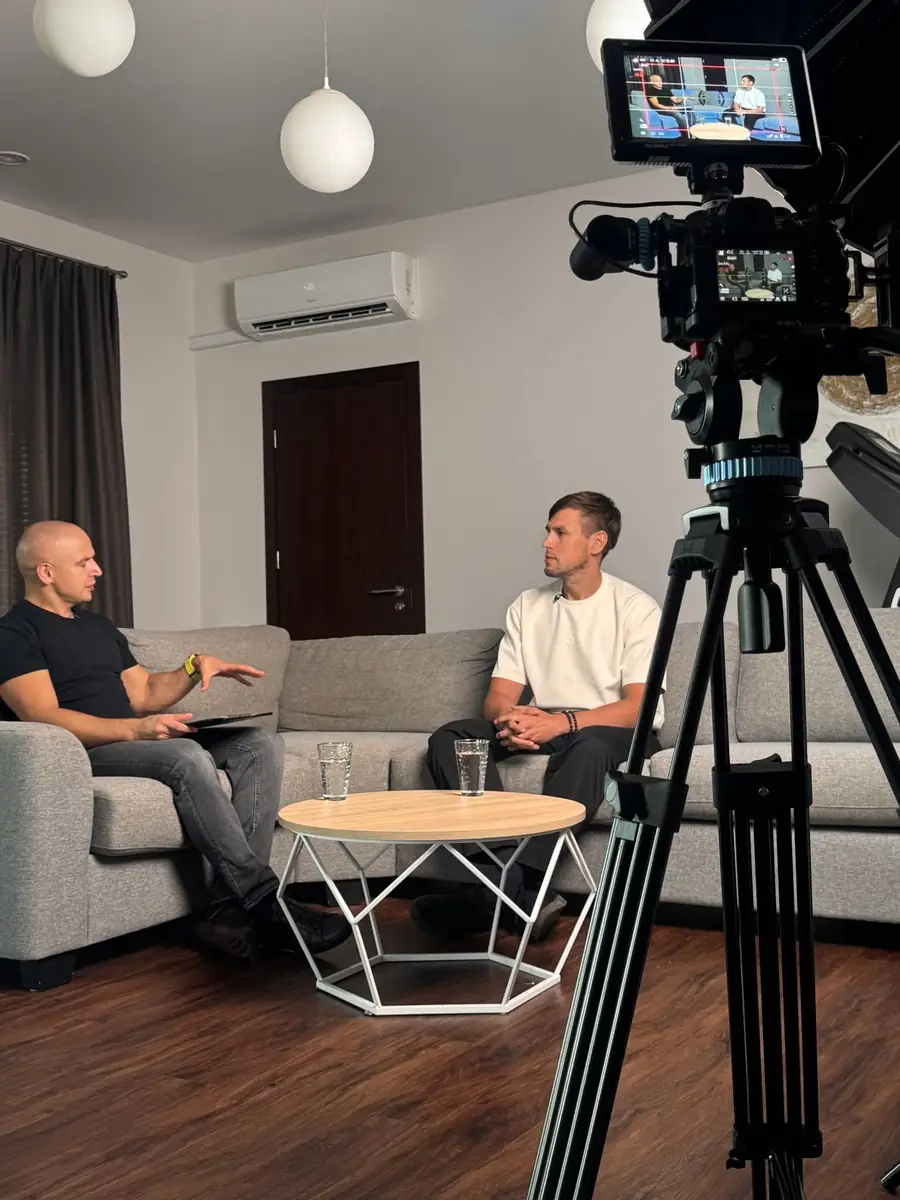
After filming, I still had to watch the whole conversation. From it, I usually picked five to ten ideas that worked on their own and turned them into vertical videos. The point was not just to cut a minute out of the middle, but to find a moment that would be interesting and/or inspiring for someone who had not seen the interview. People are interested in three kinds of short video topics: advice, inspiration and entertainment.
There were no subtitles. This is an important detail: so far, at least in Lithuania, I see no clear evidence that subtitles increase views. If anything, they pull attention away from the speaker’s facial expressions, emotion and gaze. When I watch a film with subtitles, I no longer see the film…
The long interviews stayed on YouTube, while the short clips were published almost identically on TikTok, Instagram, Facebook, YouTube Shorts and LinkedIn. The same video and the same description.
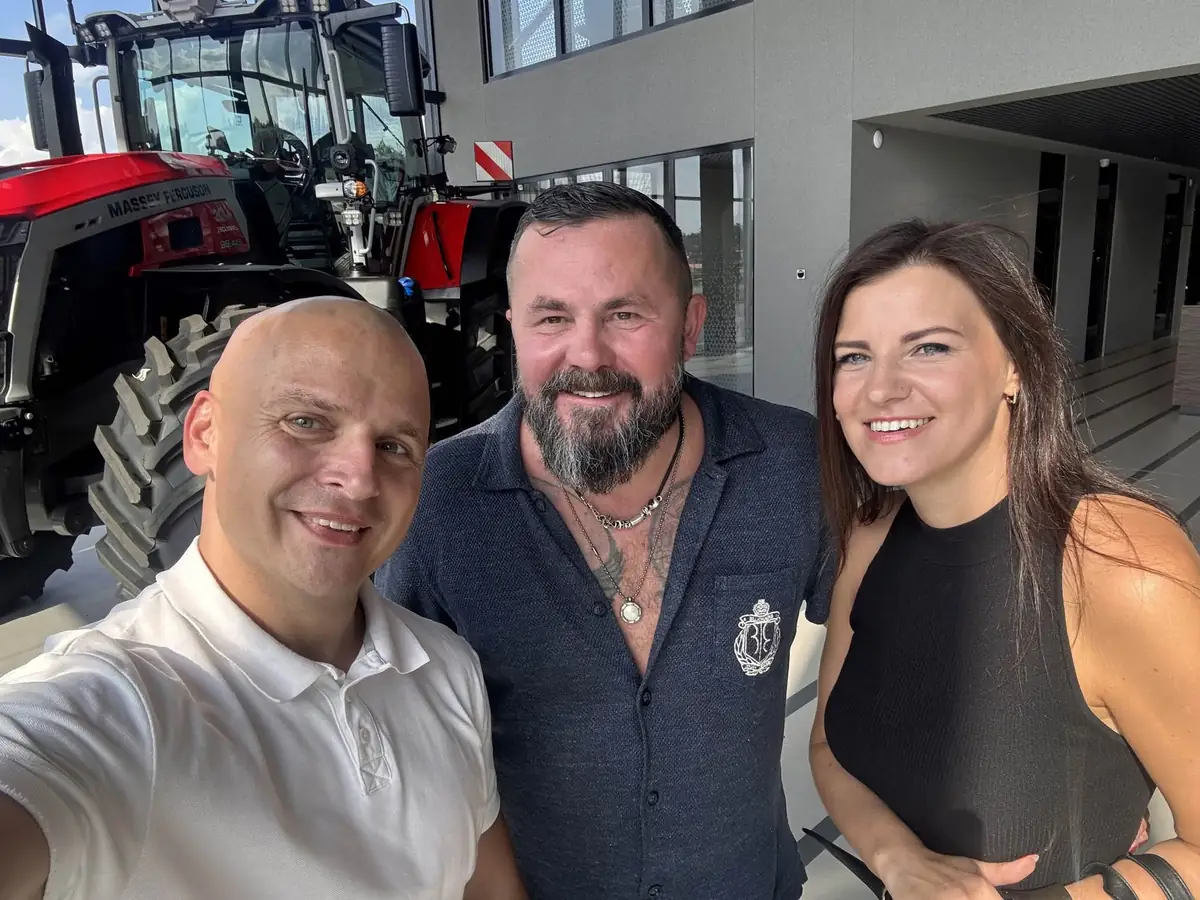
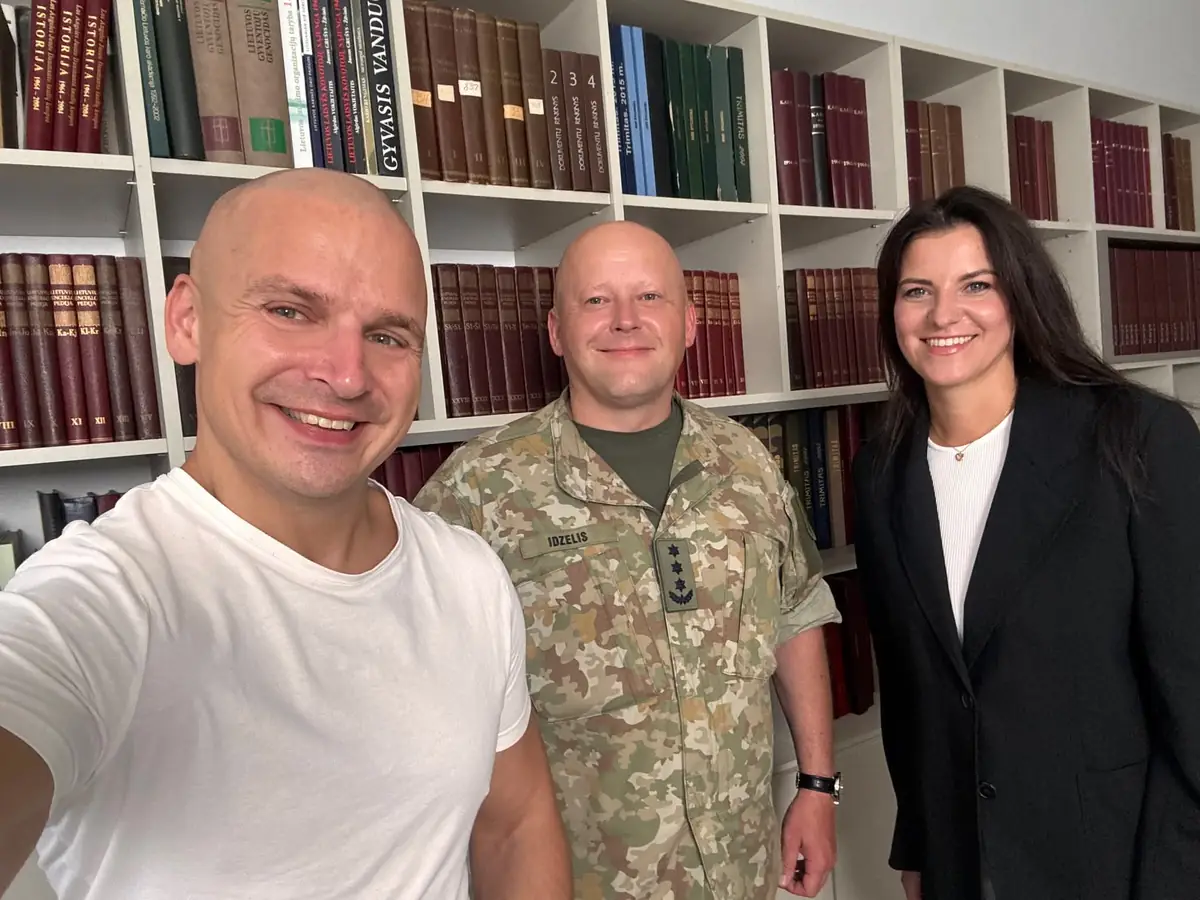
The task of these videos was to grow awareness of the conference and its speakers organically, not to sell a ticket with every post. This matters if you want to judge honestly what worked and what did not.
The first 58 days: TikTok beat everyone
And now the results… I published the first short video on 15 August. We started with no audience. For the comparison, I chose 58 days – from 15 August to 11 October, before the main Meta ticket sales campaign had started. We did not advertise on TikTok at all.
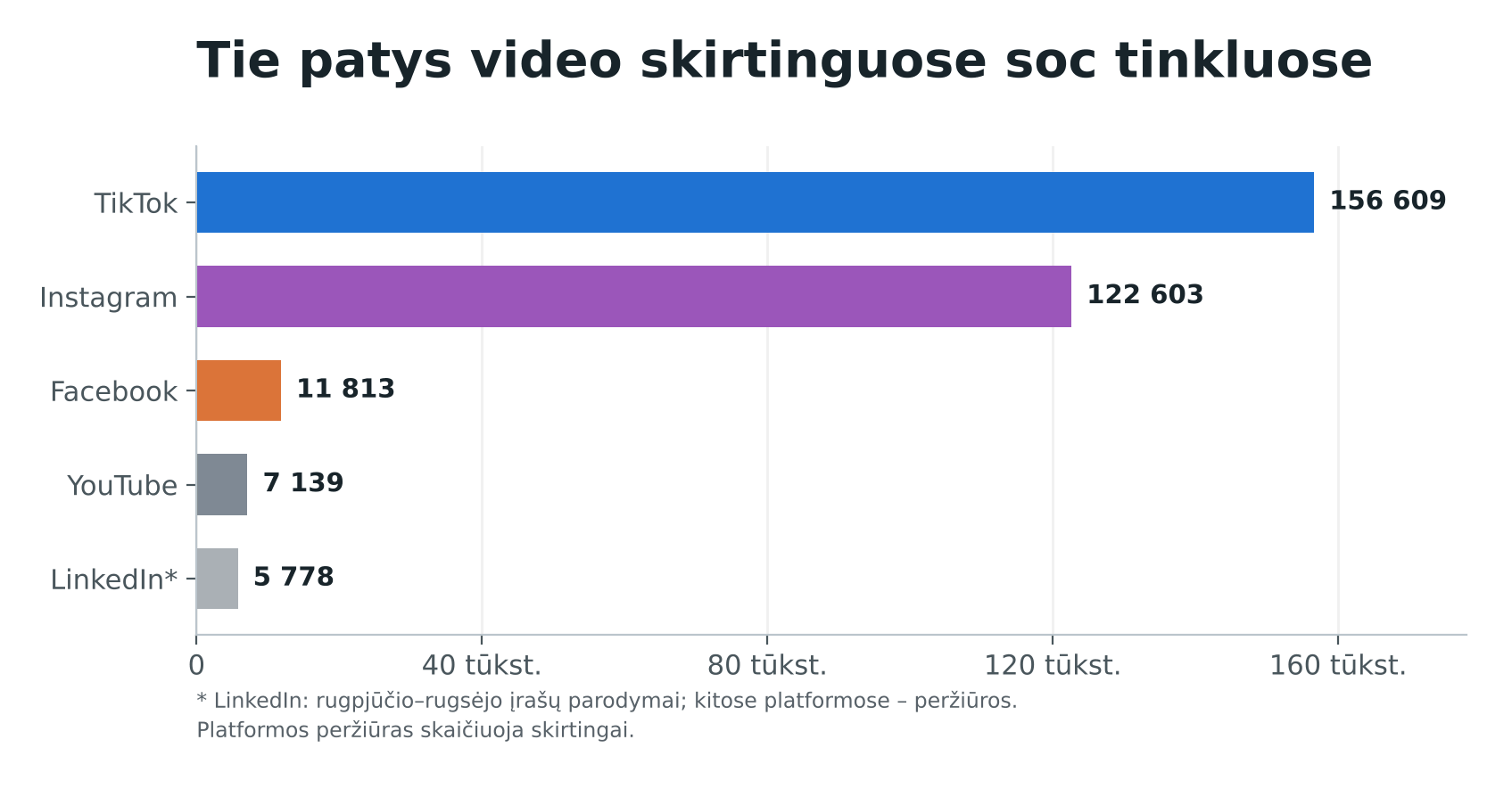
During these 58 days, TikTok recorded 156,609 views, Instagram 122,603, Facebook 11,813, YouTube 7,139, and LinkedIn about 5,778 post impressions (for August and September). The TikTok result was almost 22 times higher than the number of YouTube Shorts views.
Social networks count views differently, so this chart shows the scale of visibility, but it is not an exact ranking. I describe the limits of the data at the end of the article.
TikTok surprised me with its recommendations. About 97% of views came from the “For You” feed, and for the most popular videos this share exceeded 98%. We had no follower base, yet the content was seen by many people who did not know us. The account grew from three followers in mid-August to 303 by 26 October, even though we only used free distribution on this network.
Which topics did people find most interesting?
One of the clearest examples was Dr Tomas Karpavičius. He talked about what kind of people employers find interesting. A short 44-second video collected about 33,000 views and 48 comments on TikTok and brought the account about 50 new followers. His other topic did even better – the biggest lie small business owners tell themselves: about 28,000 views, 82 shares and 78 new followers.
Of the five most popular videos, the most views went to Paulius Morkūnas’s answer to the question “Is it possible to be both a good specialist and a good manager?” – about 36,000. The video itself was only 22 seconds long, and the average watch time was 8.4 seconds. A high view count does not mean everyone watched the video to the end.


And how did the same videos perform on Instagram? Karpavičius’s post about employers’ expectations collected about 33,000 views on TikTok and about 3,300 on Instagram. Meanwhile, on Instagram, the speaker invitations and the conference presentation made it into the best posts. One speaker collage reached 12,255 views.
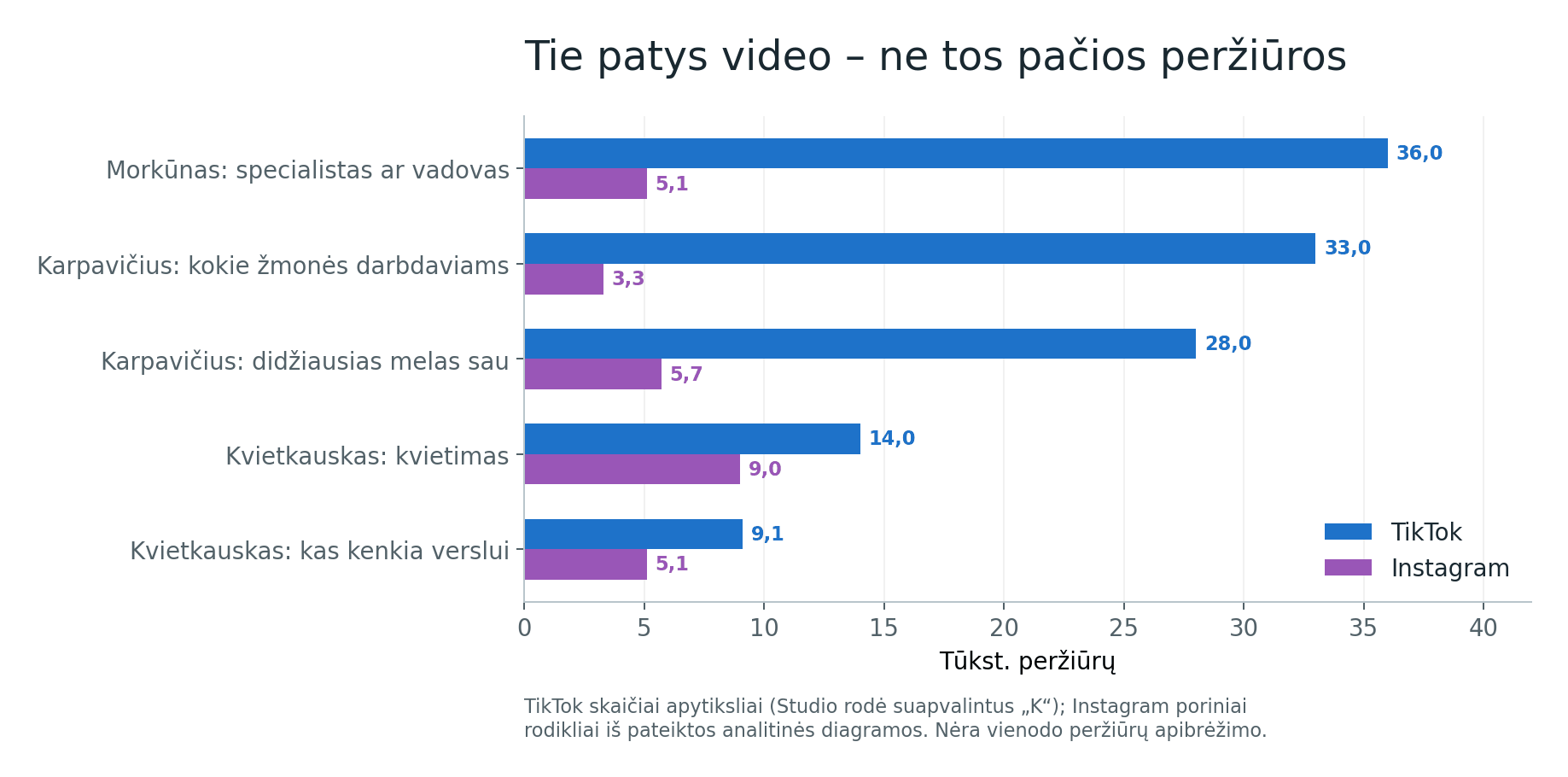
Does this mean that TikTok prefers leadership topics and Instagram prefers event invitations? It may look that way, but I will not build a universal rule from a handful of posts. What I saw with my own eyes is enough: exactly the same video material will find a different audience on different platforms. And the audience reacts differently on different platforms.
Google Analytics showed what social media statistics do not
So what did Google Analytics show about the traffic sources of rytojausstandartas.lt? During the same 58 days, Google Analytics recorded not a single session from TikTok to the website. And this is completely normal, because TikTok does not allow a new account to add an active external link to its website.
Facebook, which had incomparably fewer views, brought 212 sessions from free links by 11 October and 554 by 26 October. This is also completely normal, because Facebook lets you add an active link to your website in a comment, which you cannot do on other social networks, except LinkedIn.
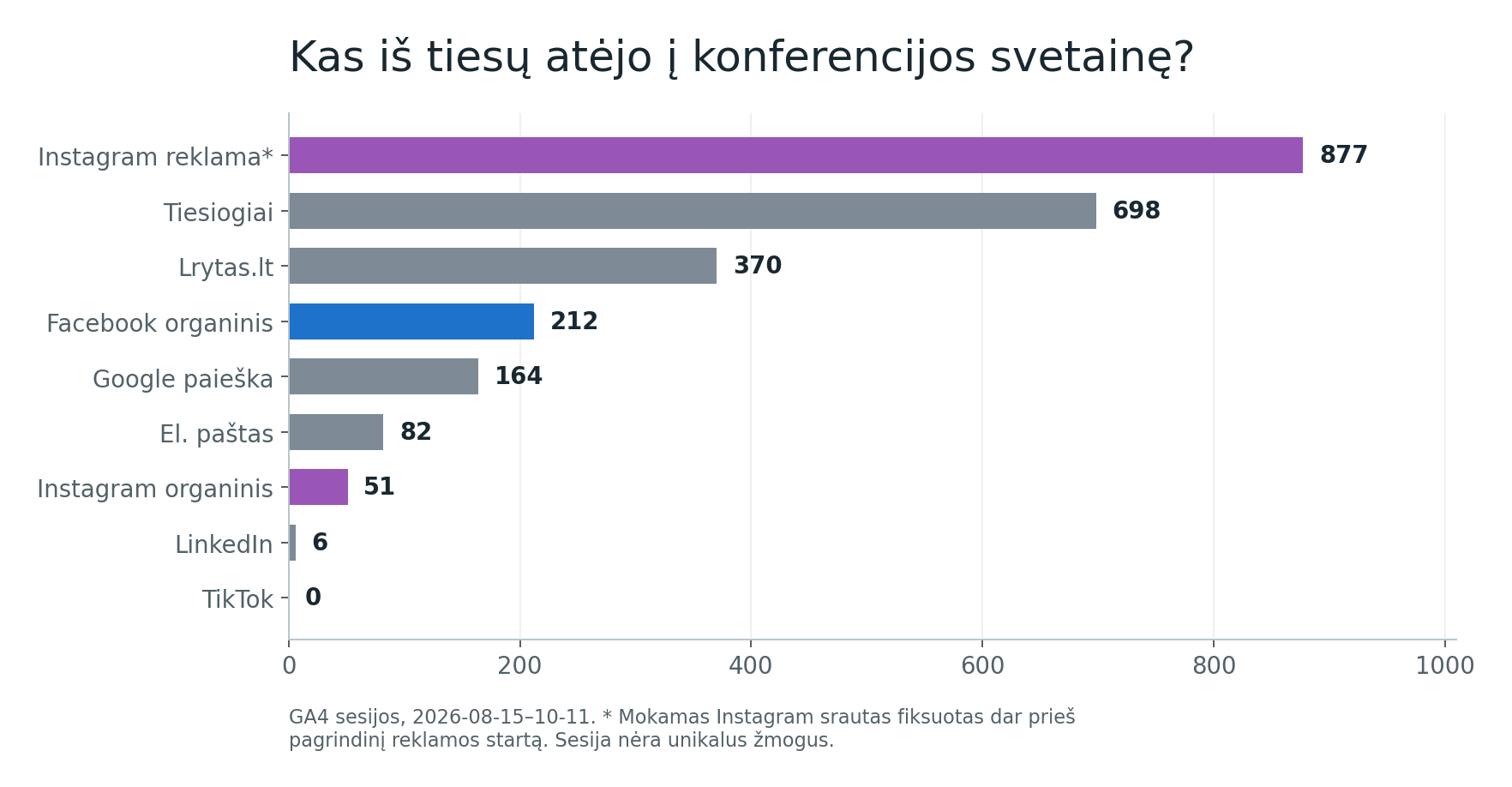
Not all visits were related to video. By 11 October there were 698 direct sessions, 370 from Lrytas.lt, 164 from Google search and 82 from email. One of the largest sources was Instagram ads – 877 sessions. That number made me go back to the data and check what I call an “organic start”. Awareness of the conference was built by several communication channels, not just short videos.
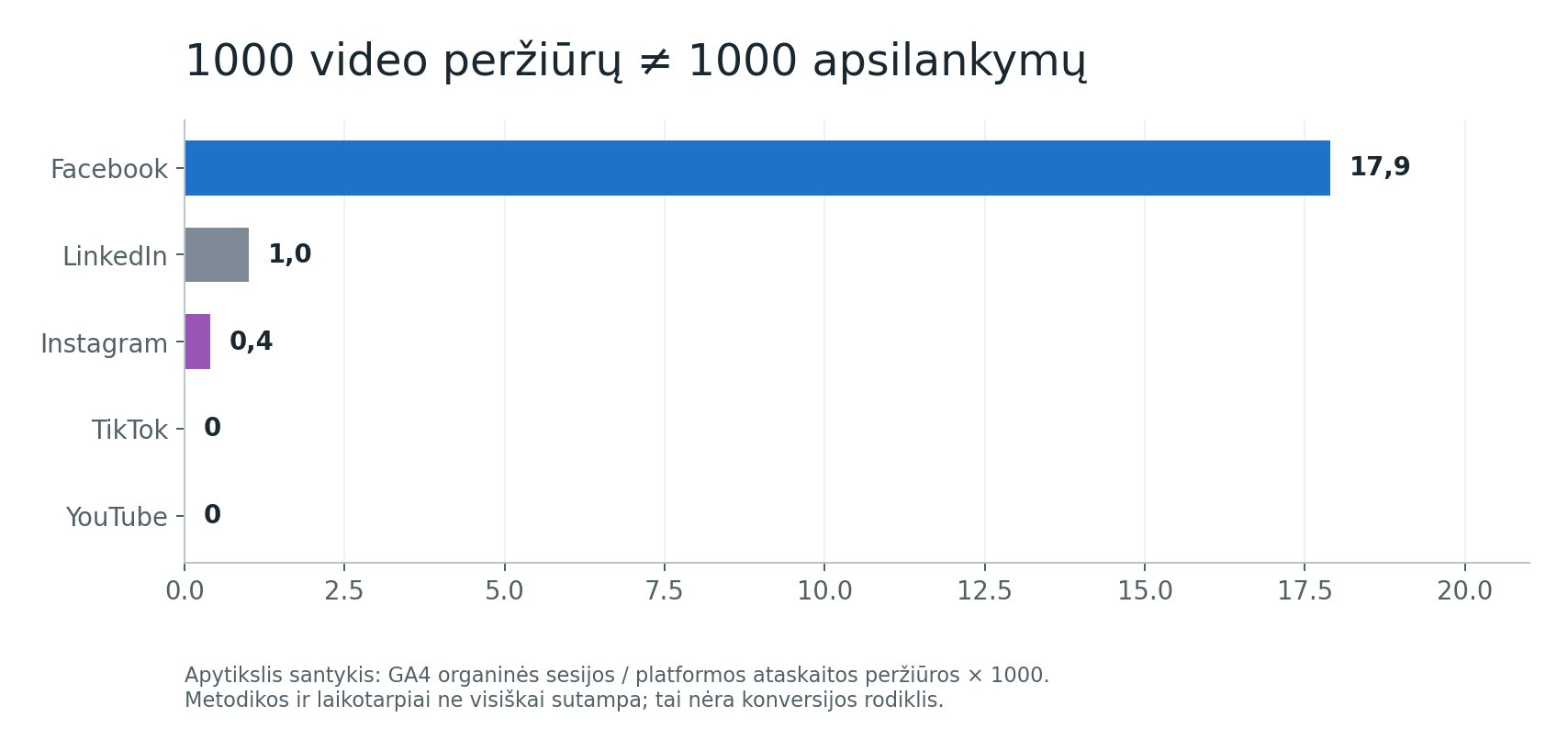
This chart shows the contrast, but it is not a true click or conversion rate. Not every session can be attributed to a specific video view. In some places the link is visible in the post, in others a person has to go to the profile. Some viewers may have found the website later through Google or typed in the address themselves – Google Analytics would record that under a different source.
So I would not conclude that TikTok gave the business nothing. Its task was awareness, and judging by views, it did the most work here. As a video content creator, I can say this: if we want to understand what video gives a business, the statistics of one platform are not enough.
For the organic videos, we had set an awareness goal. But we also needed a specific action – for people to buy a ticket. For that, from 12 October we launched paid advertising in the Meta system. I will not reveal that data, though, because today I am only talking about organic content.
What would I advise a business that wants to publish video content?
First – do not start with the question of which social network to post your video clips on. Start with what you have to say and who it is useful for. We first had speakers who talked about real problems managers face. And then we shared their ideas everywhere.
Second – plan a content series, not a single video. One half-hour interview can give you five to ten good clips, but filming alone is not enough. You need preparation, professional sound and picture, selection and editing.

Third – agree from the very beginning which goal you will measure. The task of our organic videos was awareness. If I had given them a ticket sales goal, the assessment of TikTok would have been completely different. And you cannot evaluate a paid campaign by views alone either.
Fourth – check the whole journey beyond the social networks: how the person came to the website, whether the link is accessible to them, whether the click is measured and whether you actually see the purchase. Only then can you talk about return on advertising rather than guesswork.
In closing: sometimes it is worth trying something you do not believe in
I started this project with a simple idea: we have already filmed good conversations, so let’s use them as widely as possible. TikTok was just an extra that I did not really believe in, but Eglė’s suggestion – “let’s post on TikTok too” – pointed me in the right direction.
At the same time, this experiment reminded me once again that lots of views, awareness, website visits and sales are different things. TikTok helped us get noticed. Facebook and paid advertising helped people get to the website and buy tickets.
How I calculated. I used TikTok Studio, Meta, YouTube, LinkedIn and Google Analytics 4 data from August–October 2026. Platforms count views differently, so the charts compare data that is not entirely identical.
Frequently asked questions
Is it worth posting the same video on several social networks?
If you have good video material, yes – but expect different results. Even an identical video can reach a different audience on different platforms, so it is worth evaluating the results on each platform separately.
How often should you post short videos?
As often as you can keep people’s attention. In our case, posting more often did not bring proportionally more views, and after an intensive phase we ran out of ready content. It is more important to have a filming plan that lets you sustain the rhythm you choose.
How do you tell whether social media video is useful for a business?
Agree from the start what you will measure – awareness or a specific action. Platform summaries alone are not enough: check Google Analytics traffic sources, link accessibility, click tracking and purchases. You can read more about how we plan this kind of content on our social media video page.
Why did TikTok not bring visitors to the website?
A new TikTok account is not allowed to add an active external link, so a viewer cannot reach the website with a single click. In the first 58 days, Google Analytics recorded not a single session from TikTok, even though the videos collected 156,609 views. In our case, TikTok worked for awareness rather than for website traffic.
Which short video topics do people find most interesting?
In our experience – advice, inspiration and entertainment. The most views went to ideas about specific management questions: Paulius Morkūnas’s answer on whether you can be both a good specialist and a good manager (about 36,000 views on TikTok) and Tomas Karpavičius’s thoughts on what kind of people employers find interesting (about 33,000).
How many short videos can you make from one interview?
From a conversation of about 30 minutes, I usually picked five to ten ideas that worked on their own for vertical videos. But together with travel, preparation and setting up equipment, sound and light, one shoot often took almost half a day, and then I still had to watch the whole conversation and edit the clips.
Eugenijus Mačiukas is a video marketing strategist and head of Mačiukas Media. He creates social media video and helps businesses build a video marketing strategy. Together with Eglė Pilypaitė, he organises “Rytojaus standartas”. If you want to plan a video content series for a specific business goal, get in touch.