Camera angles: documentary neutrality or artistic choice
Where the camera is placed decides how the viewer feels about what they see, long before they process the words. This is the quietest and most powerful decision in any film.


Documentary: the neutrality of eye level
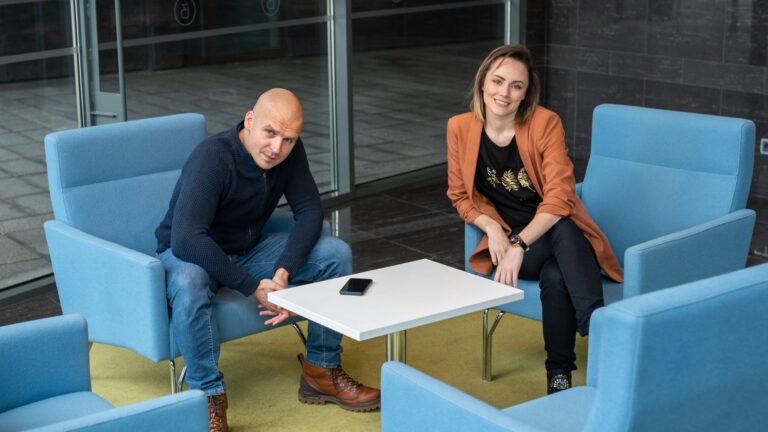
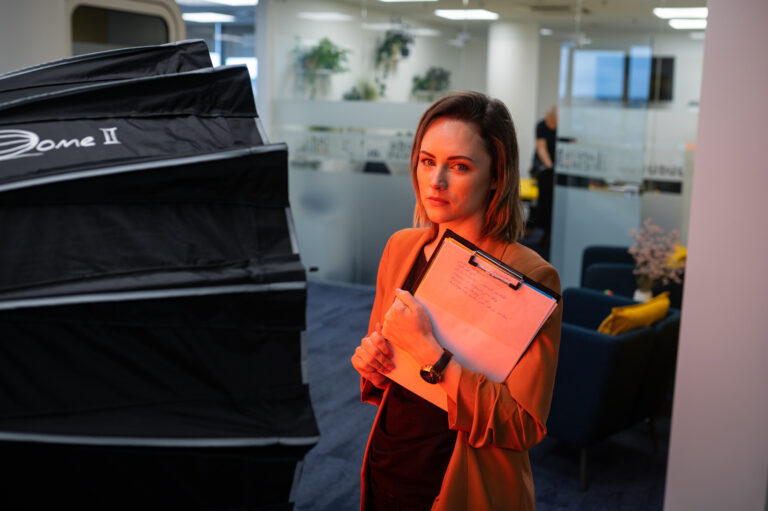
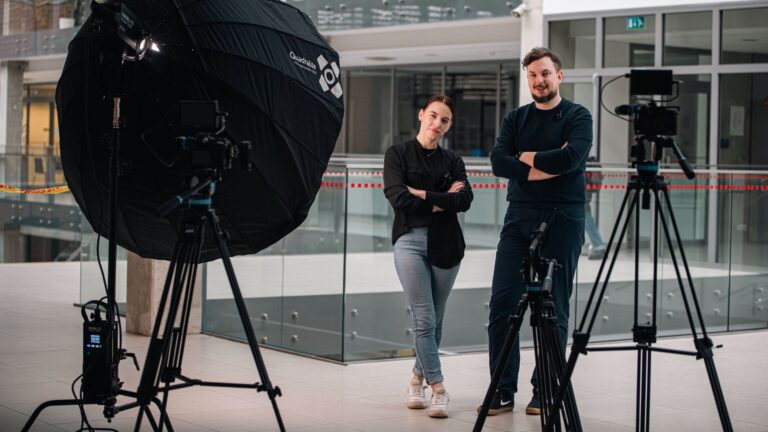
At eye level the viewer sees the subject as an equal. Nothing is being dramatised, nothing exaggerated — which is exactly why it suits interviews, testimonials and any film where the message must be trusted rather than admired.
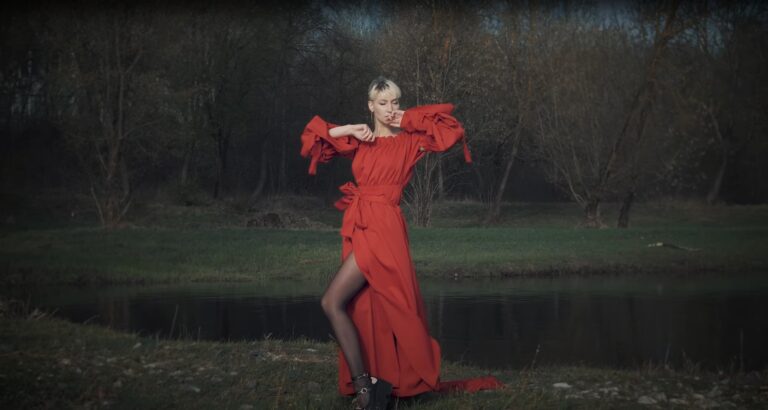
Art: creative angles that amplify emotion
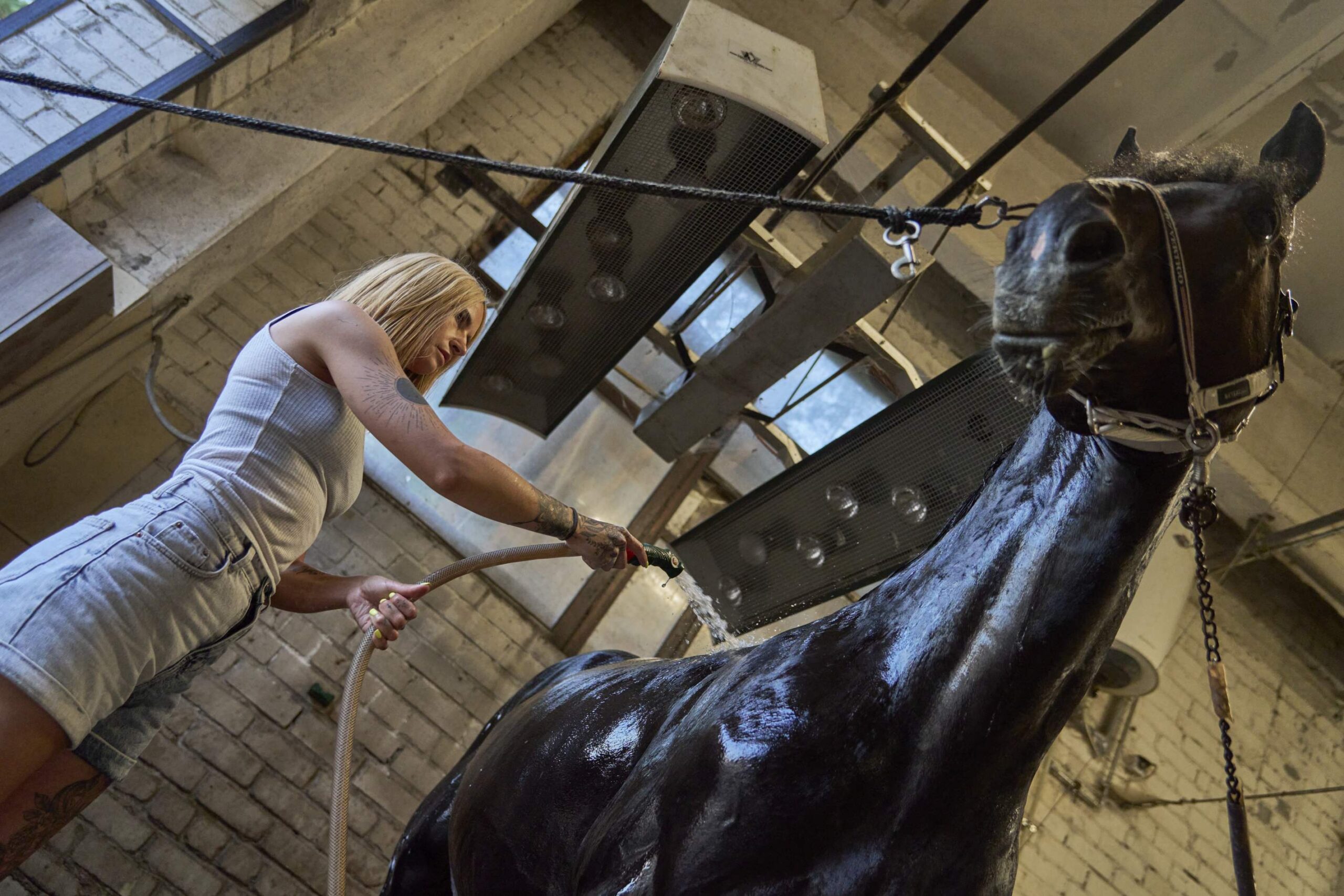
A lower angle gives weight and authority; a higher one shows situation and scale; a tilted frame creates unease. These are tools for feeling rather than information, and they work when the emotion is the point.
When to choose the artistic approach
In brand films, music videos, product pieces and anywhere the viewer should be moved rather than informed. The risk is using them in a film that needs to be believed.
How to choose an angle by the purpose of the film
- Eye level — when the person should be equal to the viewer. Interviews, presentations, testimonials.
- Lower angle — when solidity or power is needed. Works for products, buildings and machinery; easy to overdo with people.
- Higher angle — when the whole situation or scale matters. Events, production, spaces.
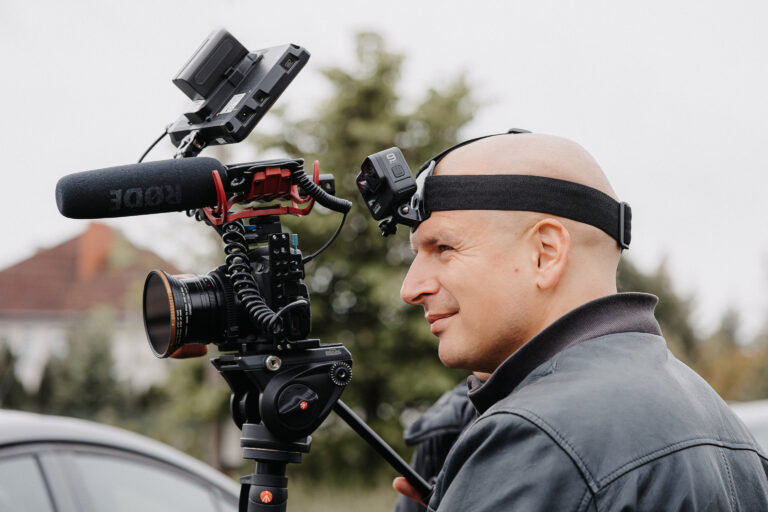
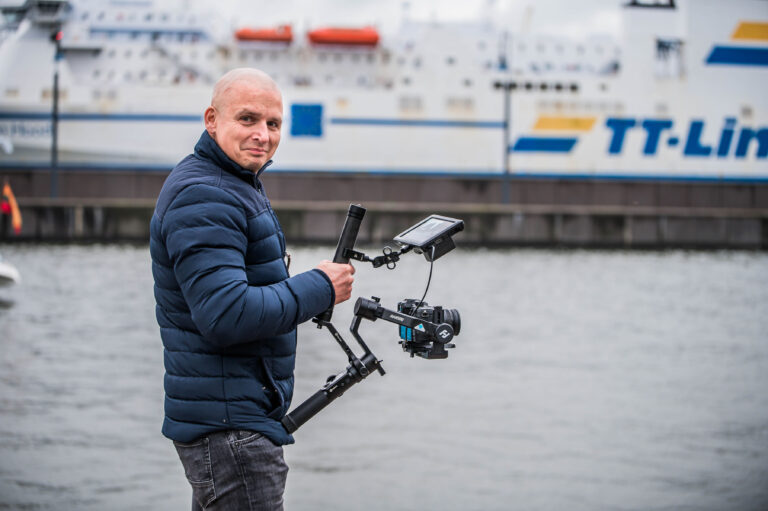
- Over the shoulder or side on — when the process matters more than the face. In production work this is often the strongest frame.

Why “more beautiful” is not always the right choice
An artistic angle draws attention to the frame itself. That works in a brand film and hurts when the viewer needs to listen to what is being said. If the frame shouts louder than the message, the message loses.
In practice we combine the two: the core information is filmed calmly and clearly, and artistic shots are used between those passages so the film does not become monotonous. It is the same logic documentary cinema uses — the fact is stated plainly, the emotion is shown visually.
How we work
The angle is chosen before the shoot, not discovered during it. It follows from one question: what should the viewer feel about this person or this object? Everything else — lens, height, movement — is a consequence of that answer.
Frequently asked questions
Which angle suits an interview?
Eye level, or very slightly above. The person then looks natural and the viewer accepts them as an equal — which is what is needed when talking about a service or an experience.
Do artistic shots belong in a corporate film?
As an addition, not as the foundation. The information has to be filmed clearly, with artistic shots placed between those passages so the film is not monotonous.
Why is some footage shot from below and some not?
A low angle gives an object weight and authority, which suits machinery or architecture. With people it can create an unnaturally dominant impression, so in portraits it is used sparingly.